
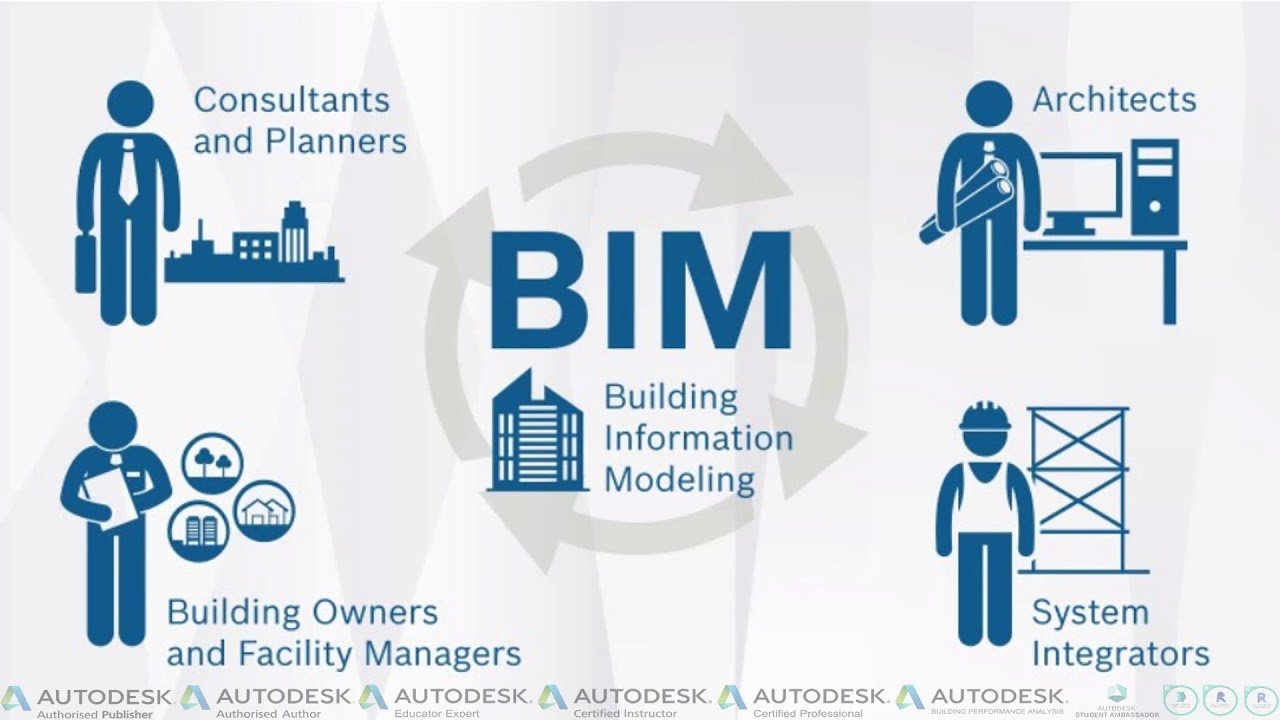
If you’ve ever wondered what a BIM manager, BIM coordinator or BIM engineer actually does on a day-to-day basis, you’re not alone. Many people enter the industry without a clear understanding of where these roles fit into the construction process and as a result, they don’t know which skills to learn or what their ideal job really looks like.
This guide walks you through the entire workflow, exactly as explained in the original video, so you can finally see how everything comes together.
Building Before Building: The Role of BIM

Before anything is constructed onsite, the entire building is first created digitally. Every duct, pipe, material and structural element is modelled inside software like Revit. This virtual version allows teams to identify problems early, check for clashes, and validate whether the design is even buildable.
This is where the BIM manager comes in. Their responsibility is to bring all these digital pieces together, make sure every discipline’s model is aligned, and ensure there are no conflicts that would cause expensive surprises onsite.
Combining Multiple Models Into One

On a real project, each discipline creates its own model:
- Architects
- Structural engineers
- Mechanical engineers
- Electrical engineers
- Hydraulics contractors
- Mechanical contractors
- Civil engineers
Each produces their own “piece” of the building. The BIM engineer or coordinator collects all these separate files and assembles them into one central integrated model.
Think of it like assembling a car: wheels, engine, chassis, interior, all separate until someone ensures they actually fit together.
In buildings, the same thing happens with ducts, pipes, lights, beams and services that all need to coexist in tight ceiling spaces. The BIM coordinator’s job is to verify that everything fits and to resolve any clashes long before workers step onsite.
From Client Idea to Architectural Concept

Every project begins with a client’s idea, for example, wanting a new hospital.
The architect is the first person brought in to turn that vision into something visible. Using tools like Revit, the architect creates the initial building layout, room arrangements, ceiling heights and aesthetic direction.
Once the general look and feel is established, more technical players join the process.
MEP and Structural Inputs: Making Designs Buildable

After the architectural concept looks right, the structural engineer and MEP (Mechanical, Electrical, Plumbing) consultant enter the picture. They begin adding:
- Structural beams
- Ductwork for ventilation
- Plumbing systems
- Electrical layouts and lighting
During this stage, conflicts appear quickly. Ducts may not fit into the ceiling void. Lights may clash with pipes. Plumbing routes might cut through structural elements.
The MEP consultant flags these issues to the BIM coordinator, who communicates with the architect to adjust heights, widths, or layouts until everything works together.
This is the design-phase coordination, typically resolving 70–80% of issues before moving forward.
When the Builder and Subcontractors Take Over
Once the concept is mostly resolved, the builder is hired to construct the building.
The builder then appoints major subcontractors:
- HVAC contractor
- Electrical contractor
- Hydraulics contractor
- Steel fabricator/detailer
This is where the second, more detailed coordination phase begins.
Even if the consultants’ model looked acceptable, contractors often find that certain elements still don’t work when they apply real-world installation constraints.
They re-model or fine-tune their respective systems with practical buildability in mind.
These subcontractors then work hand-in-hand with the BIM coordinator to remove every single clash because once construction starts, any unresolved conflict becomes extremely expensive.
Final Coordination and Construction Drawings
The BIM coordinator ensures:
- All clashes are resolved
- All contractors agree on space allocations
- Any redesigns are fed back to architects or engineers
- The final integrated model is buildable
Once this final coordination is done, construction drawings are issued.
Only then can site teams begin physically building the project.
On-Site Coordination: The Work Never Stops
Even with the best planning, site teams encounter unexpected issues. When this happens, they reach back out to the BIM coordinator.
The coordinator again liaises with:
- Subcontractors
- Consultants
- Architects
- The builder
to solve issues quickly and revise designs if needed.
This is why BIM coordination is essential during:
- Concept design
- Detailed design
- Pre-construction
- On-site construction
A BIM coordinator is involved throughout the entire lifecycle.
What Skills Do You Need to Become a BIM Coordinator?
To succeed in this role, you don’t need deep expertise in every discipline but you do need surface-level understanding of all of them:
- Architecture
- Mechanical services
- Electrical systems
- Plumbing and hydraulics
- Steel and structural elements
- HVAC
You also need to be able to communicate clearly with many stakeholders, manage conflicts, and build positive working relationships.
Soft skills matter just as much as technical ones.
Technical Tools You Must Know
A BIM coordinator typically works daily with:
- Navisworks (clash detection)
- Revit
- BIM 360
- Bluebeam
- AutoCAD
These tools allow fast clash identification, quick mark-ups, communication, and problem solving.
Conclusion
Construction is complex, and buildings only come together smoothly when someone is coordinating across every discipline. That’s the job of a BIM coordinator.
They stand at the centre of the process from early concept, through detailed design, to contractor coordination and final construction. Without them, projects would face delays, costly errors, and constant rework.
If you’re considering entering the BIM field, understanding this full workflow and learning the right technical and communication skills, is the key to becoming a strong coordinator rather than just an average modeller.
Main source of Information: https://www.youtube.com/watch?v=j7zen_vVnmk
